Thermal Management Choices for High-Power EV Charging Modules
Blog
2026-03-30
分享:
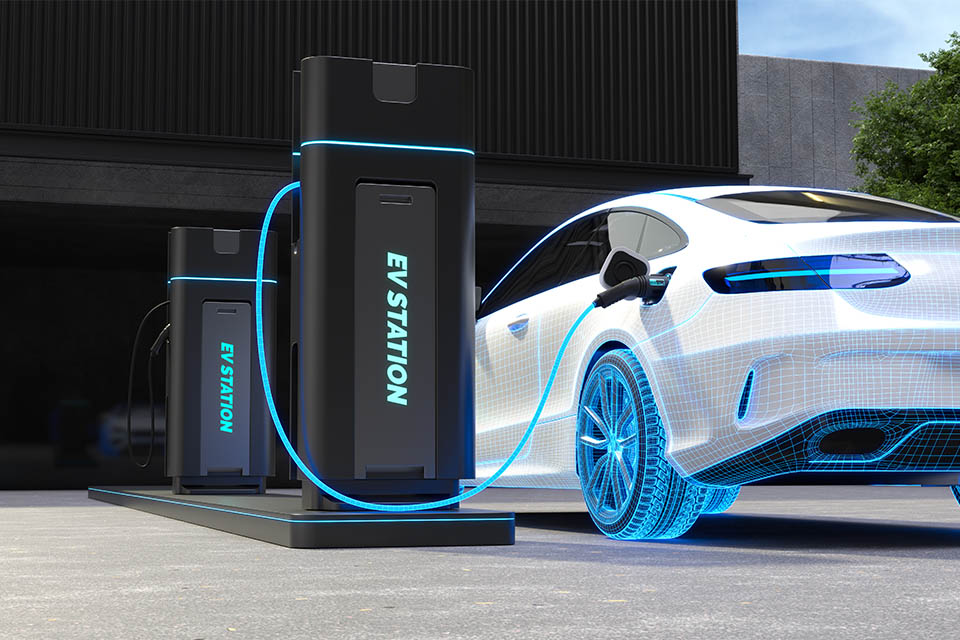
Reaching 350kW charging power introduces distinct engineering demands, particularly concerning heat dissipation. At AcePower, our dialogue with fellow producers in this field reveals a clear consensus. For an EV charger module manufacturer operating at this scale, the thermal system decision carries significant weight. While air-cooling suffices for lower capacities, the industry largely advises liquid-cooled architectures for 350kW and beyond. This guidance stems from fundamental physics and practical reliability needs faced by every EV charger module factory.
Physical Limits of Air-Based Cooling Methods
Air-cooled designs utilize fans and fins to transfer thermal energy into the surrounding atmosphere. Their effectiveness hinges on a substantial temperature differential between the component and the ambient air. At extreme power densities, the heat generated within a compact EV charger module manufacturer assembly becomes immense. Moving sufficient air volume to manage this load would require very large, noisy fan arrays and massive heatsinks. This approach becomes physically cumbersome, acoustically problematic, and often inadequate in warm climates, making it impractical for a high-output EV charger module factory aiming for consistent, peak performance.
Superior Heat Transfer with Liquid Systems
Liquid cooling excels by employing a fluid with a higher specific heat capacity than air. A circulated coolant absorbs thermal energy directly from power electronics via cold plates. This method provides more efficient, targeted heat extraction from critical zones. For an EV charger module manufacturer, this allows a denser, more compact power stage design. The sealed nature of the primary power enclosure also safeguards components from dust and moisture, a valuable advantage for an EV charger module factory producing units for diverse outdoor installations. This system maintains stable temperatures more effectively, enabling sustained maximum output.
Considerations for Durability and Total Expense
The recommendation for liquid cooling extends beyond mere performance. It encompasses long-term viability and operating cost. Superior thermal control directly correlates to enhanced semiconductor longevity and reduced stress on capacitors. While the initial unit cost may be greater, the total system expense can be optimized. Reduced need for oversized electrical cabinets and simpler site ventilation requirements offer balance. For a reputable EV charger module manufacturer, delivering a product that operates reliably for thousands of cycles under strenuous conditions is paramount, solidifying the preference within advanced EV charger module factory planning.
The transition to ultra-high-power charging solidifies liquid cooling as the necessary path. Its capacity for efficient heat removal from a confined space supports the required power density that air cannot feasibly achieve. At AcePower, we align with this prevailing industry counsel. For any EV charger module manufacturer engaged in the 350kW+ domain, investing in proficient liquid thermal management is a decisive step. It ensures the module can fulfill its demanding role with the robustness and durability expected from a modern EV charger module factory, forming the foundation for dependable, rapid charging infrastructure.
上一篇:Implementing Essential Validation Procedures for EV Charger Module Production 下一篇:A Comparison of On-Board Charger Power Ratings
推荐新闻
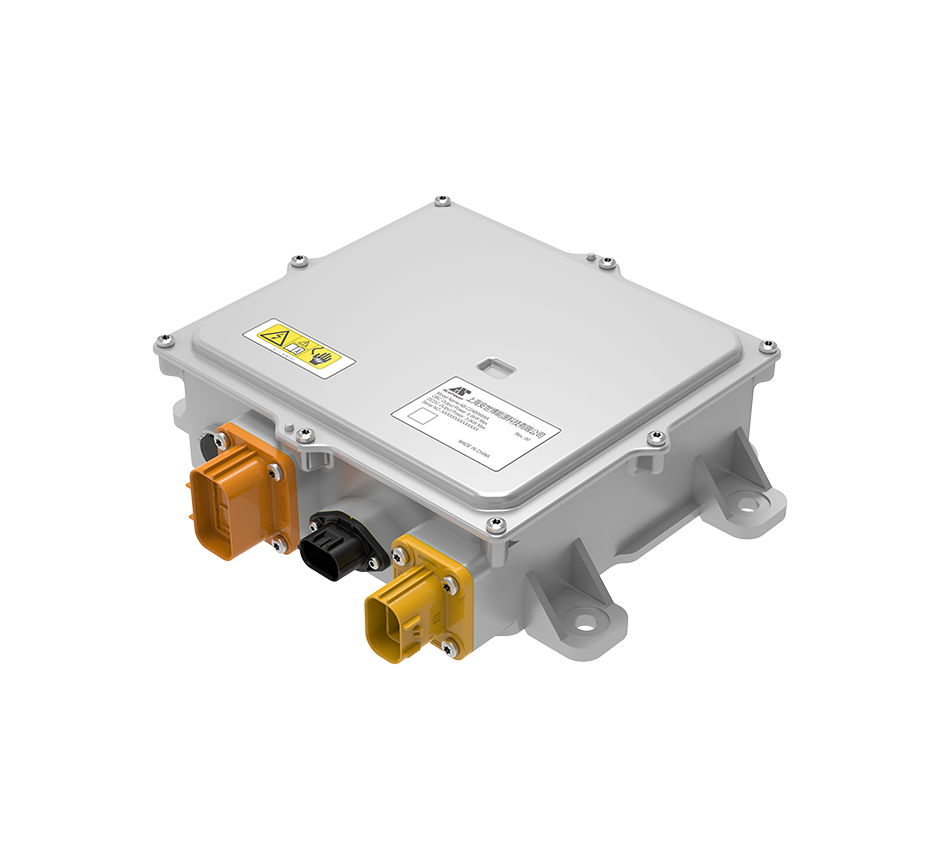
Inside the Making of On-Board Chargers: A Step-by-Step Journey from Design to Testing
2026-01-03
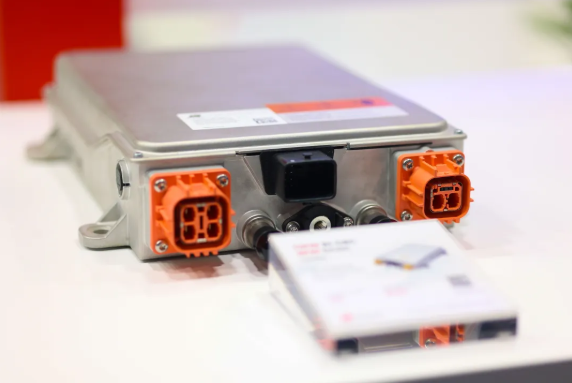
How Modular Design Transforms EV Charging with 7kw EV DC Charger Module
2025-11-14
AcePower Launches New 50kW Air-Cooled High-Efficiency Module, Boosting Global Ultra-Fast Charging Network Development and Energy Transition
2025-05-09
Comparing 6.6kW and 11kW On-Board Chargers: Choosing the Right Fit for Your EV
2026-01-06

AcePower Selected for Shanghai's 2024 "Specialized, Refined, Distinctive, Innovative"SMEs List
2024-09-25

Contact AcePower Now
Please leave your information and we will be happy to assist you.